
Borders: Who Needs Them?
By William Harvey
Borders have a funny way of failing to work the way they are intended. Geopolitically, Afghanistan and Pakistan still share the border that Mortimer Durand and Abdur Rahman Khan drew in 1893, although the same Pashtun culture flourishes on both sides of that line. Musically, Afghanistan and Spain have shared a border for just over 4 years, in spite of the geographic absurdity of such a claim.
How? Since late 2021, Afghanistan National Institute of Music—the country’s premier destination for music education—has called Portugal its home. In 2026, you are more likely to hear a rubab playing a naghma-ye chartuk while strolling the cobblestoned streets of Guimarães—the charming medieval town where King Afonso Henriques declared Portugal’s independence in 1128—than along the tree-lined lane in Kabul that was home to ANIM’s original campus, where I taught violin and conducted the orchestra from 2010 to 2014.
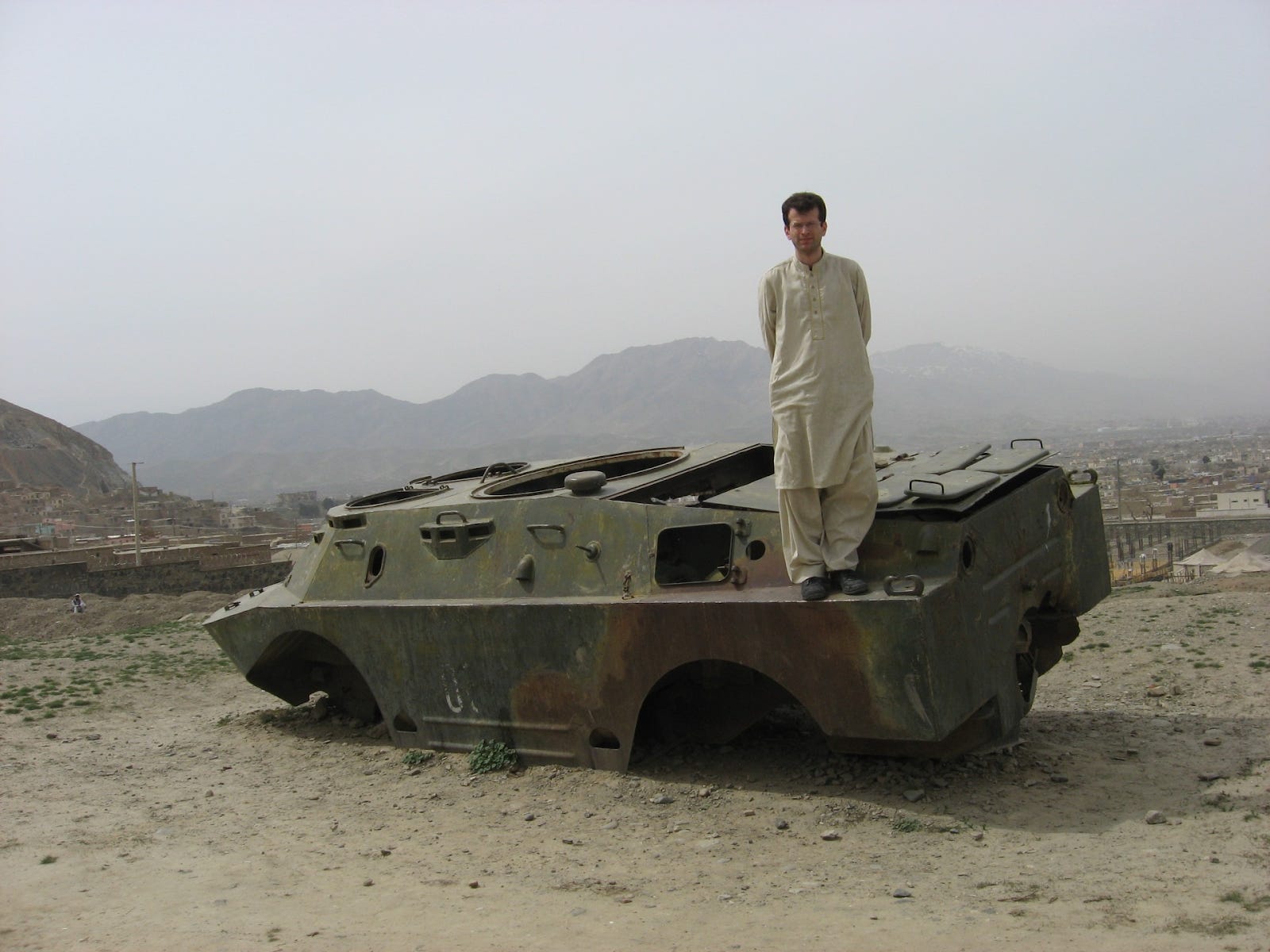
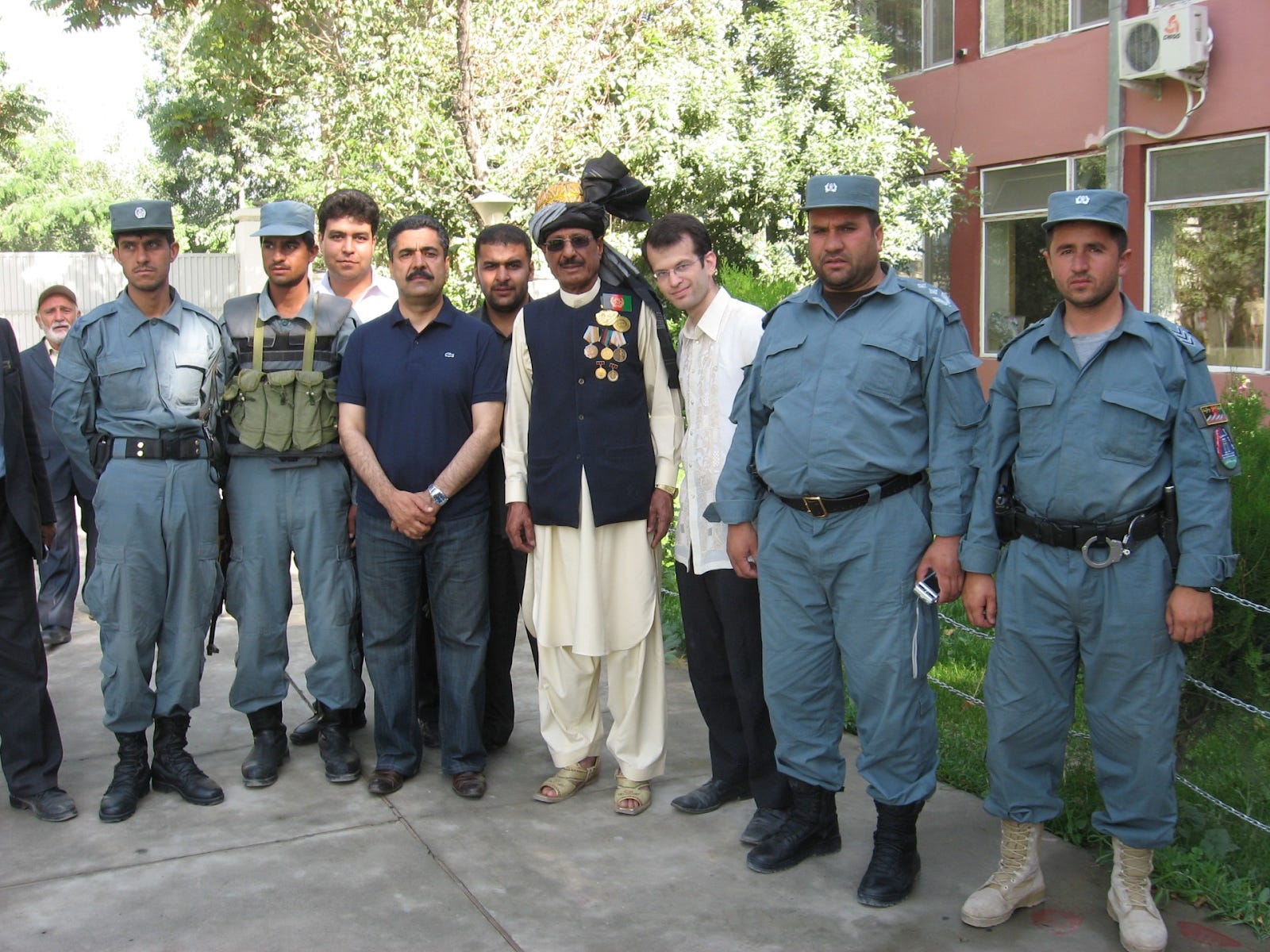
The violently anti-music Taliban returned to power in Afghanistan on August 15, 2021. By a fortunate coincidence, Dr. Ahmad Sarmast, ANIM’s founder and director, found himself in Australia at the time, and was able to arrange for the transfer of most of the students, faculty, staff, and families to Portugal via Qatar. As he told me at the time, he was awake some 20 hours a day, frantically using his phone and email to ensure the safety of the institution he inaugurated 11 years previously.
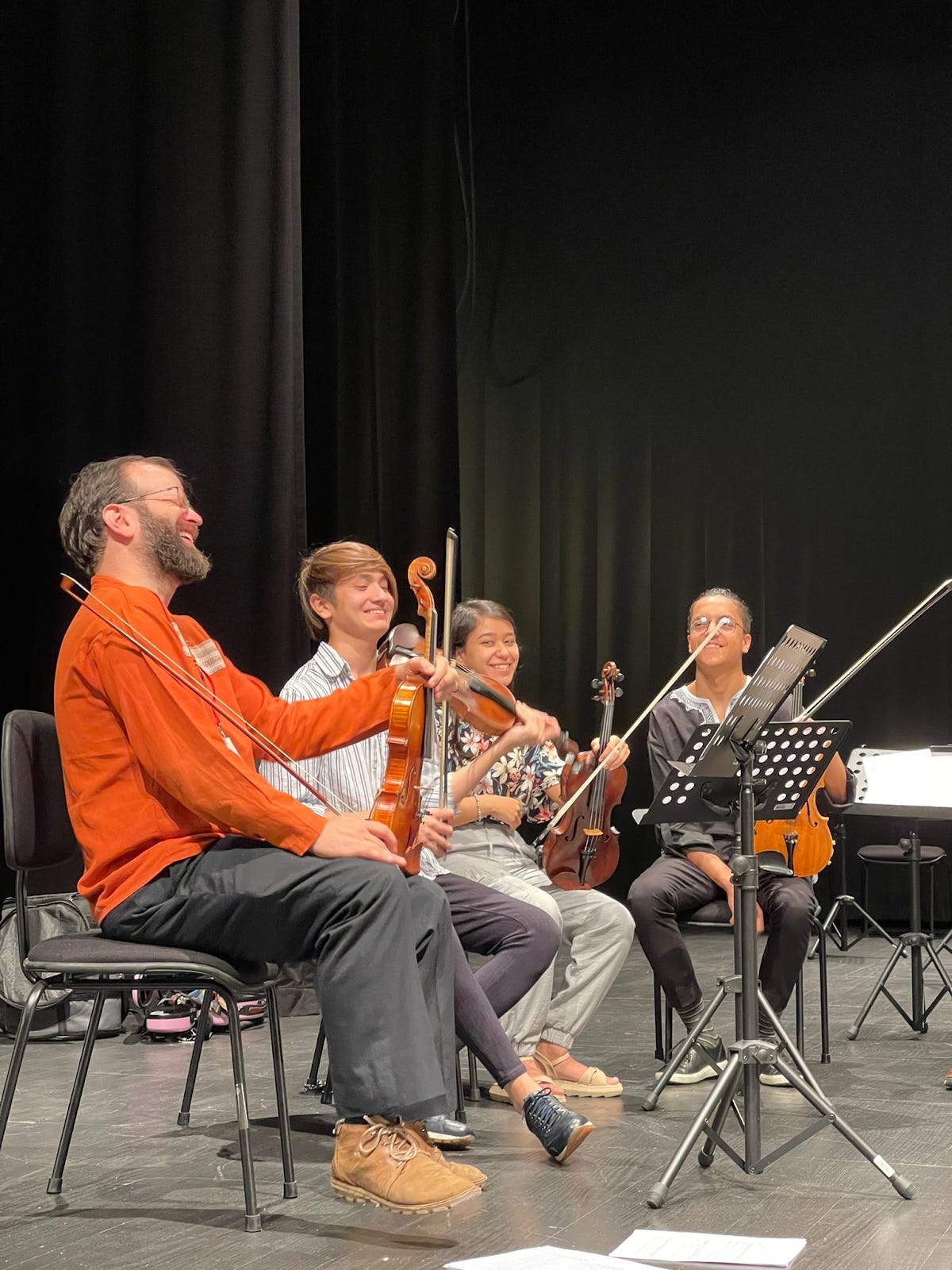
I visited ANIM’s new home on a couple occasions. In August 2022, I taught some violin lessons to former students of mine at the nearly deserted former military hospital in Lisbon that served as the school’s headquarters during its first year in Portugal. ANIM was already in the process of moving to the country’s north at the behest of the Portuguese government. A year later, I connected my former professional home to the town’s music festival, Guimarães Clássico, founded by local violinist Emanuel Salvador. Emanuel hired me as a violin teacher at the festival, and then I joined ANIM students and Polish string players for my arrangement of a naghma-ye chartuk by Ustad Mohammed Omar (1905-1980).
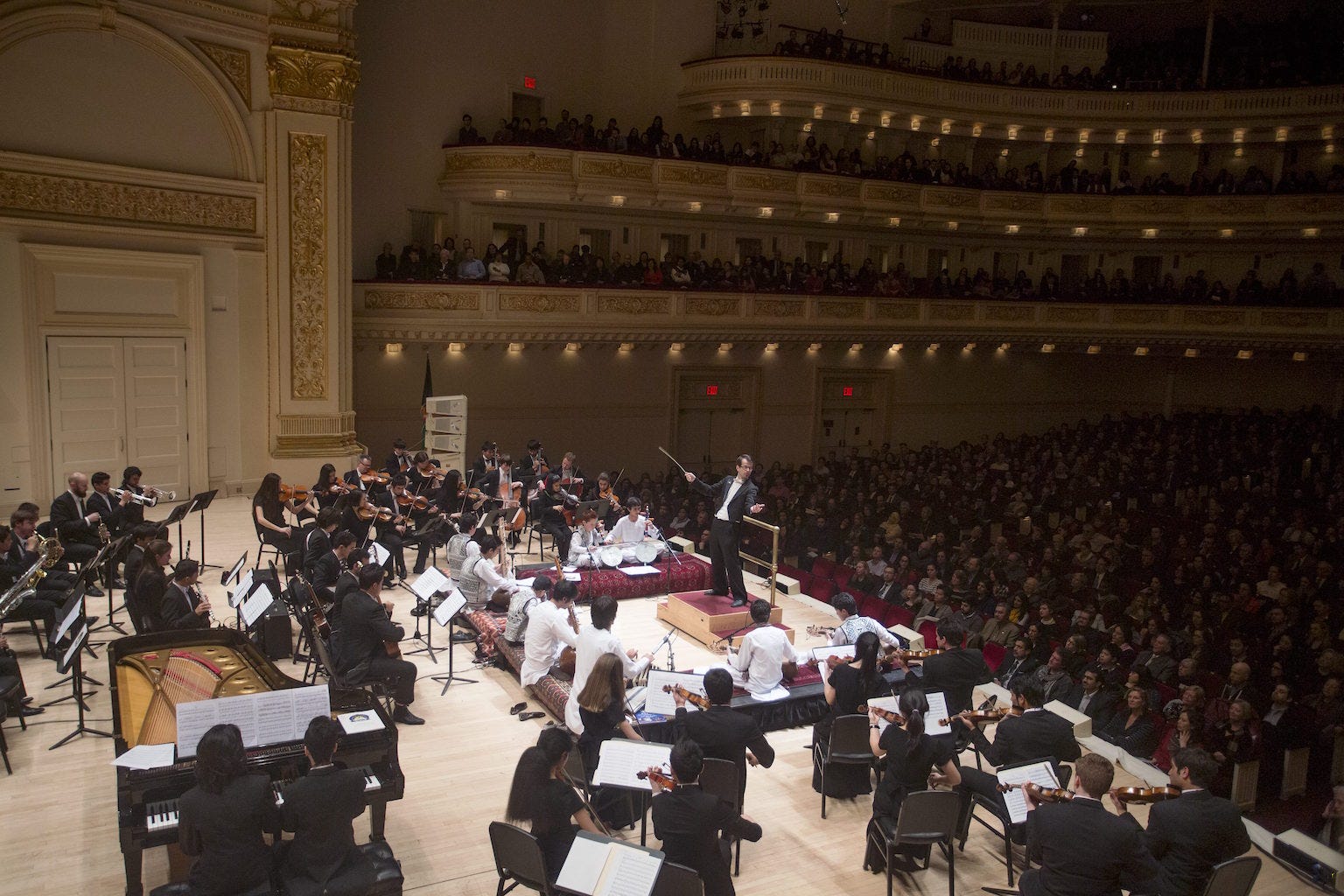
The highlight of my involvement with my beloved former employer following ANIM’s unwanted exodus from its home country was when Dr. Sarmast commissioned me to write a piece for the Afghan Youth Orchestra. I was the founding conductor of this orchestra, which he asked me to form in 2010 just before the school’s inauguration. During my years in Kabul, I conducted the orchestra on Afghan national television, eight times for President Hamid Karzai, and in sold-out concerts at Carnegie Hall and the Kennedy Center.
When I thought about what sort of piece I wanted to compose, I reflected on what the exodus meant to these students. The musical composition I came up with, “Saudade do Afeganistão” tells their story. They were working on a recording when the Taliban entered Kabul on August 15, 2021, so the first section of the piece is called “Uma Gravação Abandonada” (An Abandoned recording). A dissonant chord begins the second section, “Chegada do Talibã” (Arrival of the Taliban). An Indo-Afghan raga is used for the third section, “Voos Para Portugal” (Flights for Portugal). The fourth section, “Fado,” refers generally to the national music of the Afghans’ new homeland of Portugal, but specifically to the famous song quoted here “Uma Casa Portuguesa” (A Portuguese home). Yet the students are not yet at peace with their new home, as shown by the return of the dissonant chord. The fifth section, “Saudade” (Longing), contains a text sung by the orchestra in Portuguese. It means, “Longing for Afghanistan consumes me: a home is here, but a home is there.” In the next section, “Dur Khana” (Far from home), the rubab leads the orchestra in the Afghan song of that name, and in the following section, the orchestra magically combines this song with the Portuguese song quoted earlier, representing the union of Afghan and Portuguese cultures. The last section, “Alguma Saudade Permanece No Coração” (A Little Longing Remains in the Heart), suggests that while the students are happy in Portugal, we all yearn for the day when they can return home.
Under their new conductor, Tiago Moreira da Silva, my former students have performed the piece extensively, including a 2024 return to Carnegie Hall and at Switzerland’s Victoria Hall.
As happy as it made me to see former students safe and sound, frequently I found the experience bizarre. I would leave a rehearsal or lesson in a nondescript modern building shoehorned into a nearly thousand-year-old European town, and think, it’s lovely that Afghan music is flourishing here, but it belongs in its own country. Just as Trump has imposed a singularly restrictive vision of American culture on the USA, confining it to a small set of expressions related to Americans whose ancestors colonized the country from northern Europe, the Taliban has imposed an equally restrictive vision on Afghanistan. Both cultural visions ignore much of what makes those countries great. Trump ignores the importance of the immigrant narrative to American culture, and the Taliban ignore the importance that music has always played in Afghanistan.
ANIM founder Dr. Sarmast is known as the first Afghan with a doctorate in music. He told me once that when he set out to write his doctoral thesis, which covers a thousand years of Afghan musical history, he had hoped to show that Afghan music originated in a unified way, with easily proven and traceable origins within the modern boundaries of Afghanistan. Instead, his research proved that Afghan music amalgamates Indian, Iranian, and central Asian influences.
Great beauty resides in the complexity of what he found. Nationalist politicians preach rigidly reductive notions of their cultural identity, but reality pays little heed to their rhetoric. In 2016, I set out to prove the multifaceted, convoluted, delightfully bizarre nature of American culture. Eleven years previously, I had founded the NGO Cultures in Harmony to promote cultural understanding through music. Our projects had frequently sent groups of American musicians to other countries to “show the ‘beautiful face of America’ that the world is yearning for,” as one of our partners in Zimbabwe, the great ophthalmologist Dr. Solomon Guramatunhu, put it. In Pakistan, we performed alongside local musicians in Islamabad, Lahore, and Karachi; Dawn aired a feature-length documentary about our work in Pakistan on national TV. But, we had never conducted a project in our home country, the USA.
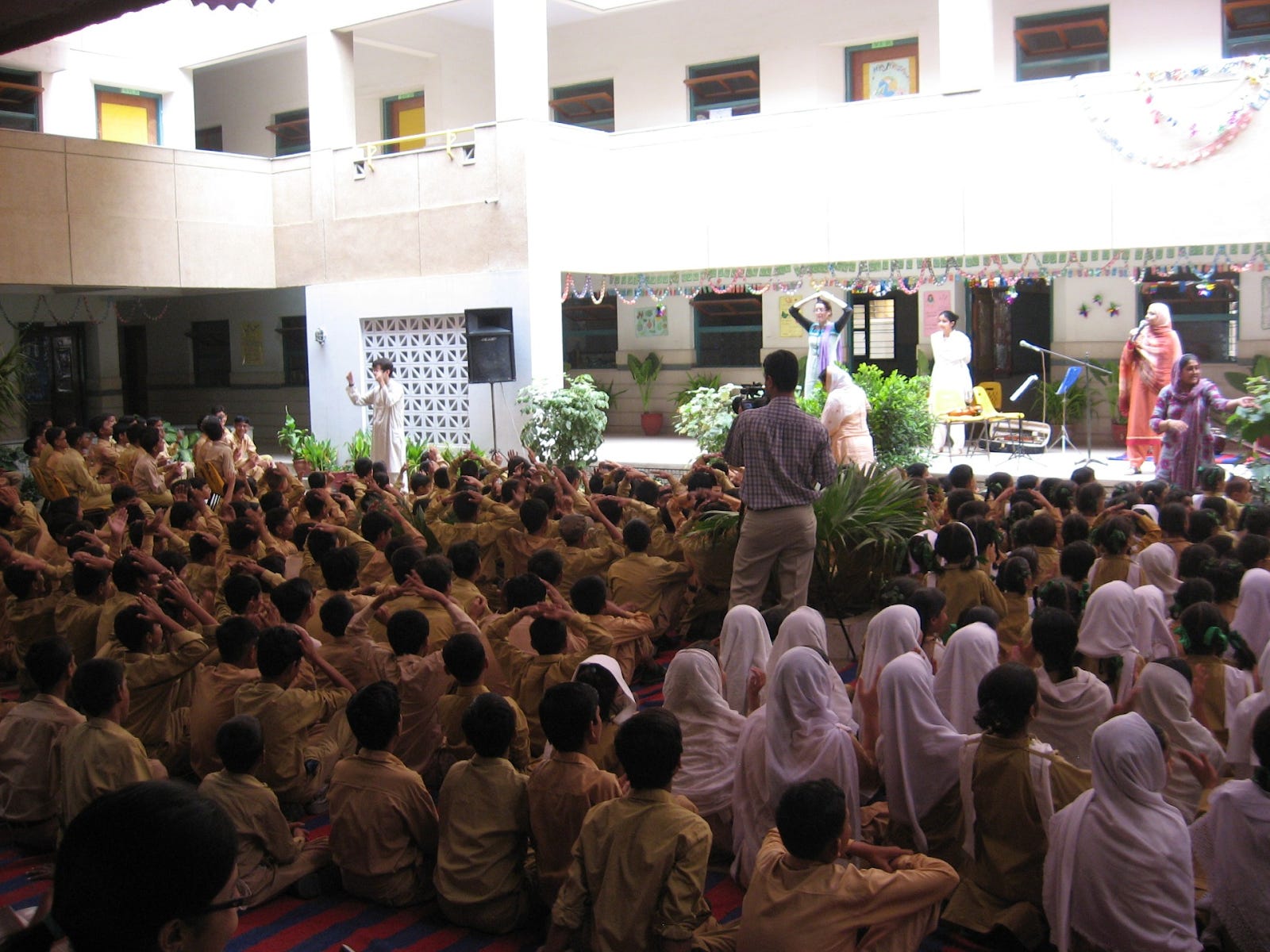
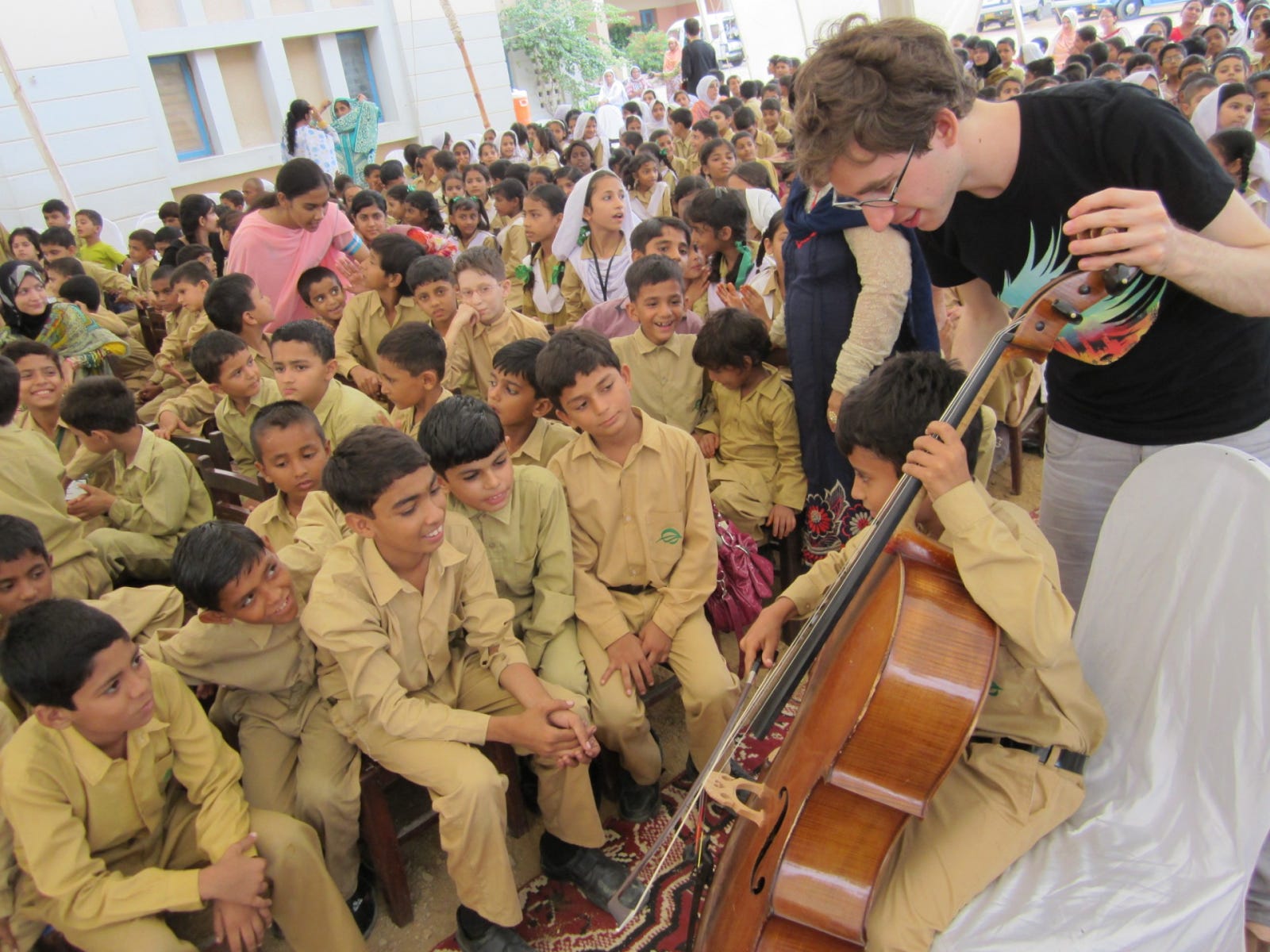
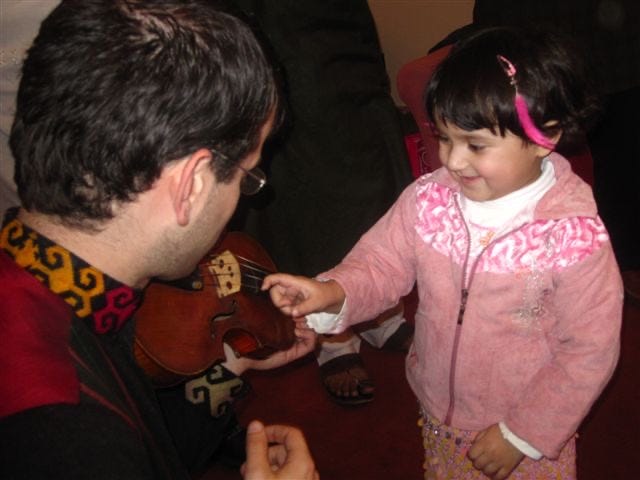
By the end of 2015, it was already clear that the 2016 presidential election in the USA would be uniquely rancorous. So, I came up with a project called “What is American culture?” I would spend exactly one week in each of the 50 states: 50 states, 50 weeks, with 2 weeks at the end of the year to rest. I bought a car and designed an itinerary that minimized driving and would allow me to leave my vehicle at a friend’s house in Los Angeles for a couple weeks while flying to Alaska and Hawaii. The project would combine violin performances in multiple genres of music with interviews, videos, collaborations, essays, and public interventions.
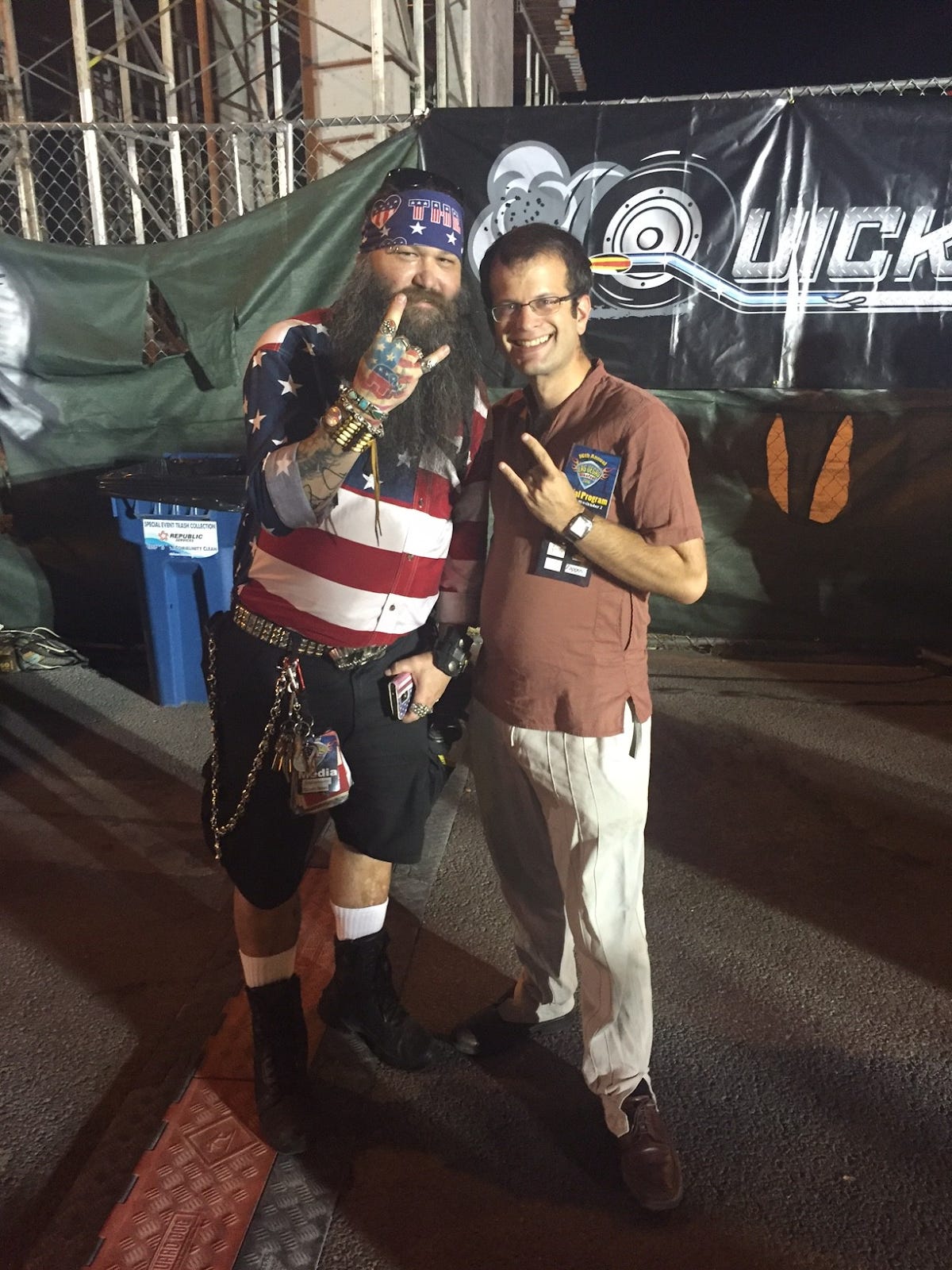
Not only did the project work exactly as planned, it showed what I intended: there are as many answers to the question “What is American culture?” as there are Americans. I did have to ban the answer “melting pot,” in interviews: this cliché, that “American culture is a melting pot,” is something many of us learn in school. It comes from a 1908 play by Israel Zangwill, and it is instructive to note that his original intent in coining the term is quite different from how we understand it today. He felt that a “melting pot” represented the different cultures of Europe (never mind the Americas, Africa, Asia, and Oceanian) coming to the USA and emerging from the “melting pot” as Americans, leaving behind any attachment to their previous culture.
Once I encouraged people to leave that cliché behind, the project facilitated greater creativity. I learned square dancing in West Virginia, visited a juke joint in Bessemer, Alabama, performed with a rapper on the streets of Jacksonville, Florida, performed contemporary music in a women’s prison in Alaska, interviewed indigenous people in South Dakota, Maine, and Hawaii, and more. The entire project remains accessible via a page on Cultures in Harmony’s website: if you want to know about American culture in a particular state, simply click that state on the map to get a full summary of that week’s activities.
The political right wing did not hold the monopoly on definitions of American culture blinkered by exclusivity. In Arizona, I drove to the border we share with Mexico in Nogales. Even the year before Trump’s first inauguration, this portion of the border was already marred by a gigantic metal fence. Homes approach the fence on both side, a harsh reminder that the border is relatively recent, dating to the 1847 violent seizure of half of Mexico’s territory by its northern neighbor. As the rueful saying goes among Mexicans who live on the northern side of the line: “We didn’t cross the border, the border crossed us.”
At a demonstration in support of a more open and creative approach to the concept of borders, I get into an argument with someone ostensibly on my side. We started talking about cultural appropriation, a concept I have never found to hold much intellectual validity. The young woman, who seemed to be of Hispanic descent, felt that I should not openly appreciate cultural expressions from non-white cultures, because those cultures “belong” to those people. “For instance,” she said, pointing to a beautiful bag dangling from my shoulder, “you shouldn’t be wearing that bag from my culture.” It didn’t matter to her that I had purchased the bag from a vendor at the price quoted.
“Where are you from?” I asked her. “Colombia,” was the response. “This bag is from the Philippines,” I said with a grin. That ended the argument.
Her confusion revealed a lot: Spain ruled both Colombia and the Philippines during a very extended period of time (from the 1565 conquest of the Philippines until the 1810 independence of Colombia). It is not unreasonable to suppose that different patterns in handicrafts passed over the Pacific on Spanish ships during that time.
I was also surprised by occasional openness from people who seemed on the political right. While in North Carolina, a deeply conservative state, someone suggested I interview the owner of a hardware store in Marshall, population 879 at the time. I expected him to be a bigot; instead, he told me with a folksy accent, “I love everybody,” and spread his arms wide.
Secretly, I had hoped that if enough people knew and accepted how delightfully diverse American culture really was, they couldn’t possibly vote for Donald Trump, a man who began his campaign in 2015 by demonizing Mexicans, whose every utterance seemed to affirm a white supremacist vision of American culture that suppressed the contributions of immigrants, non-Christians, and non-white people. His victory was devastating to the open, curious, collaborative vision of the USA that many Americans always felt represented our country at its best, and so, I felt it was time for yet another move in a life in which international borders have not been the impermeable obstacles some world leaders want, but rather hurdles that I have ignored (thanks to privilege, political conviction, and wanderlust).
I learned soon after becoming an adult that the borders of the USA would not protect me. The attack of September 11, 2001, occurred just one week after my freshman orientation at New York City’s The Juilliard School. Staff ushered us to the basement, due to a concern that all tall buildings might be a target. The tragedy of that day dramatized that Americans could not afford to ignore what the world thought of us. That blithe ignorance disappeared in the smoke rising from Ground Zero of the World Trade Center.
Like many Americans, I began to follow the news more closely than before. I had first heard of the Taliban when they blew up the Buddha statues in Bamiyan in March 2001. After September 11, they appeared in the news far more regularly once it became clear that they had sheltered Al Qaeda, the organization that perpetrated the attacks. As a bit of context, American media stories always mentioned that the Taliban banned music and forced women to wear a blue burqa that blocked them from the world.
Shortly after the fall of the Taliban in November 2001, the New York Times quoted a 16-year-old named Ajmal from Jalalabad on his feelings now that he no longer had to worry about the ban on music: “We are searching for any kind of music. It’s been six years since I heard music. There are no words to explain the happiness I think I will feel when I hear it.”
What if Ajmal could hear me play violin, I wondered? What if other Afghans felt as he did? What if an American was the first person to provide them the music they needed as much as those lost in the desert, throats parched and cracking, crave water?
I read about how we had secretly supported Afghanistan against the Soviet Union in the 1980s before abandoning and then forgetting about that country the following decade. I read about the hatred of America in the Muslim world. Music could change that, I was sure.
A couple months later, I fumbled with the pay phone on Juilliard’s fourth floor, my hand sweating into the heavy black receiver as my other hand dialed the number I had memorized. “Hi, is this Kathryn Wainscott at the State Department?” A pleasant, middle-aged woman’s voice confirmed that it was. “I am a freshman violinist at the Juilliard School in New York,” I said, gaining confidence from the important sound of my school’s name. “I’d like to play violin in Afghanistan.”
Silence. “As a cultural exchange,” I added nervously.
She chose her words carefully, as though to avoid discouraging me. “First, it’s good to hear from you. That said, you do know...you know there is a war going on?”
Yes, I had to admit.
“Even if there were not a war going on...we don’t really send musicians on cultural diplomacy tours as much as we used to.”
I started to feel deflated.
“And even if we did still do that, you’re a student, so unfortunately, we would not be in a position to fund your travel.”
I was discouraged, but didn’t give up on the potential of cultural diplomacy. When I got the opportunity to visit Turkey in 2004, I received powerful confirmation that borders do a poor job (thankfully) of separating humans and expecting them to fear one another. My hosts in Istanbul, Zuleyha and Ihsan Colak, arranged for the two American visitors to have dinner with Zuleyha’s oud teacher, Nadir Sen. At first, he did not seem too pleased to have these Americans in his home (President George W. Bush had visited Istanbul the previous week), although he did grudgingly allow me to retune an old violin he kept in the corner of his living room. I played the Bach E Major Prelude, then the Meditation from Thais, which he thought sounded very lonely, like a father who’d lost his child.
After dinner, I asked Nadir to play the oud for us, and he obliged, first with improvisations, then with an original composition. I was struck by the way Sufi music seems to spiral towards some ecstatic revelation that always remains out of reach. Then, I asked if I could play some Sufi songs from his vast collection of sheet music while he improvised along. After the first few songs, we smiled at one another, and after a few more, we shook hands for a long time. We kept playing more and more songs, occasionally joined by those who happened to know that song. I had been tired before we started, but now I didn’t want to stop...and neither did Nadir.
Finally, of course, that time came. I presented him with a recording of mine. He broke into a big smile, kissed the bottom of the jewel case, touched it to his forehead and then his heart. I was so touched by the gesture that I almost cried.
Music had effortlessly soared across the national borders that purported to divide the people gathered in that apartment in Istanbul on June 4, 2004. The great cellist Pablo Casals once said, “perhaps it is music that will change the world.” What if he was right? What if borders could melt away before the sunny universality of music?
Armed with this idealism, with the advice of Dr. Everold Hosein of the World Health Organization, and with the support of Juilliard and my family, I founded Cultures in Harmony in 2005. Many experiences, from those early years to the present, only confirmed what I learned in the living room in Istanbul. In Cameroon in 2009, we were preparing to collaborate with Pantaleon, a virtuoso performer of the mvet, an instrument made of strings strung from gourds. As he struggled with the pegs while tuning his instrument, I realized: he was my brother! I also struggle with pegs, as do musicians who play any kind of string instrument from Pakistan to Paraguay.
Idealism did not pay my rent in New York City, so I jumped at the chance to get paid for cultural diplomacy by teaching at ANIM in Kabul in 2010. After 4 years there, the work load became too intense. I was planning to return to the USA, but my former violin teacher, Mimi Zweig, urged me to accept a job as concertmaster in Argentina. When the National University of San Juan informed me that because I would also be teaching, not just performing, they would need a certificate from the local police, I didn’t know what to do. The Afghan National Police had to guard against the Taliban, not deal with Latin American bureaucracy! Yet, I was able to obtain a document in Dari certifying that they had nothing against me. Afghanistan’s embassy in Pakistan translated it to English and sent it to Argentina’s embassy in Pakistan, which then sent the document to Argentina.
After nearly a couple very relaxing years in the countryside—San Juan feels a world away from the bustling pace of Buenos Aires, let alone Kabul—I again thought I would return to the USA, so launched the “What is American culture?” project. Nearly a year later, the presidential victory of a fiercely anti-Mexican bigot inspired me to flee to Mexico, where I have lived ever since.
Here, the border dividing my adopted country and my native one feels very real to many Mexicans, even more so since Trump first took office. I cannot understand why so many of his voters fear Mexicans or why so many Mexicans migrate without documents to the USA, economic pressures not withstanding. I feel more safe in Mexico City than in the USA, with its mass shootings and masked secret police (I.C.E.) roaming the streets. Mexico is a magical country with incredible music, mountains, mole (a complex sauce), and a rich culture blending indigenous, Spanish, Arabic, and US American elements. In so many areas of life, Mexico is constrained by its northern border, but whose life is actually improved by this? What is the meaning of any attempt to keep Mexicans out of the USA, when nearly half our land was once theirs, when the best of their values coincide with the best of ours?
In the pandemic, borders hardened and shrunk; often it felt like the walls of one’s own home were a kind of border. Sustaining cultural diplomacy, which depends on human contact, felt almost impossible. I reached out to our longtime partner in Pakistan, Nafees Ahmad, sitar teacher at the National Academy of Performing Arts in Karachi. After I made an arrangement of one of his pieces, which he called “Musica Senza Confini” (Music Without Borders), Cultures in Harmony organized a video in which Ustad Nafees played his piece with violinists from Mexico and South Africa and a percussionist from the USA. Neither COVID-19 nor prohibitive international borders prevented those musicians from affirming our common humanity through music, as Cultures in Harmony’s in-person projects have always done.
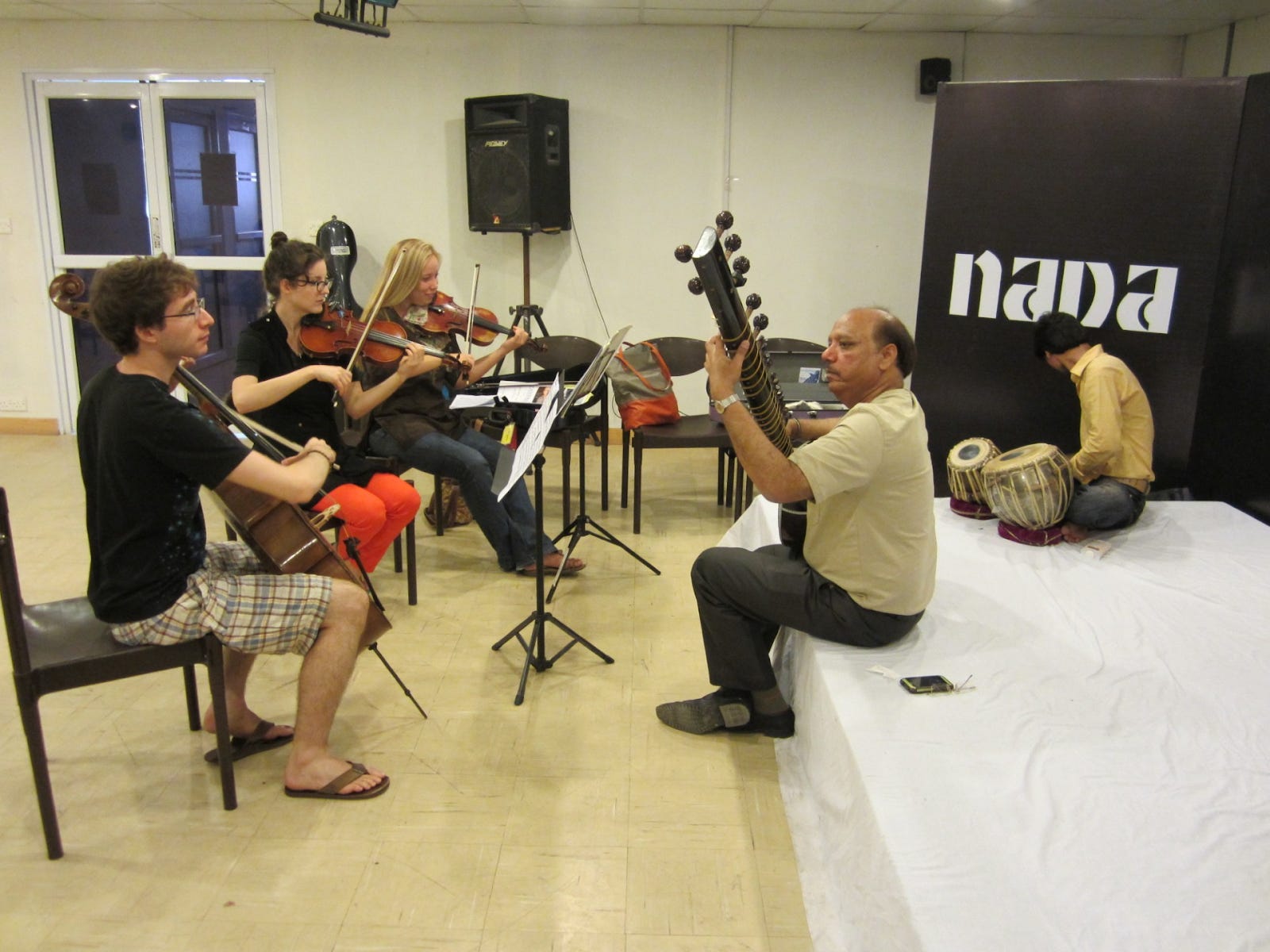
Our main post-pandemic project acknowledges a unique kind of internal border: the separate experiences of professional musicians in urban environments in Mexico, and indigenous musicians in rural environments. The line of privilege between them can feel insurmountable. No matter his or her socioeconomic condition, a violinist in Mexico City can easily get to a store to sell strings. On the other hand, a Rarámuri violinist living in the remote Sierra Tarahumara mountains cannot do so: no matter how much money he might be able to save, there are no roads, no stores.
In this part of the world, Cultures in Harmony follows the cue of our main partner: the American pianist Romayne Wheeler. Now almost 84 years old, he first began to visit the Sierra Tarahumara in 1980. Since 1992, he has lived there full time, leaving only to donate the proceeds from his concerts to the Rarámuri, who now have a clinic, school, landing strip for small planes, and donated sacks of food staples in times of drought. When I first visited him in 2019, I noticed how significant the violin is to the Rarámuri. As my friend Porfirio Cubesare, a Rarámuri violinist, explained to me, “The violin is happiness.” It must be present at every important social occasion, even the famous rarajipare, the foot races of many dozens of kilometers.
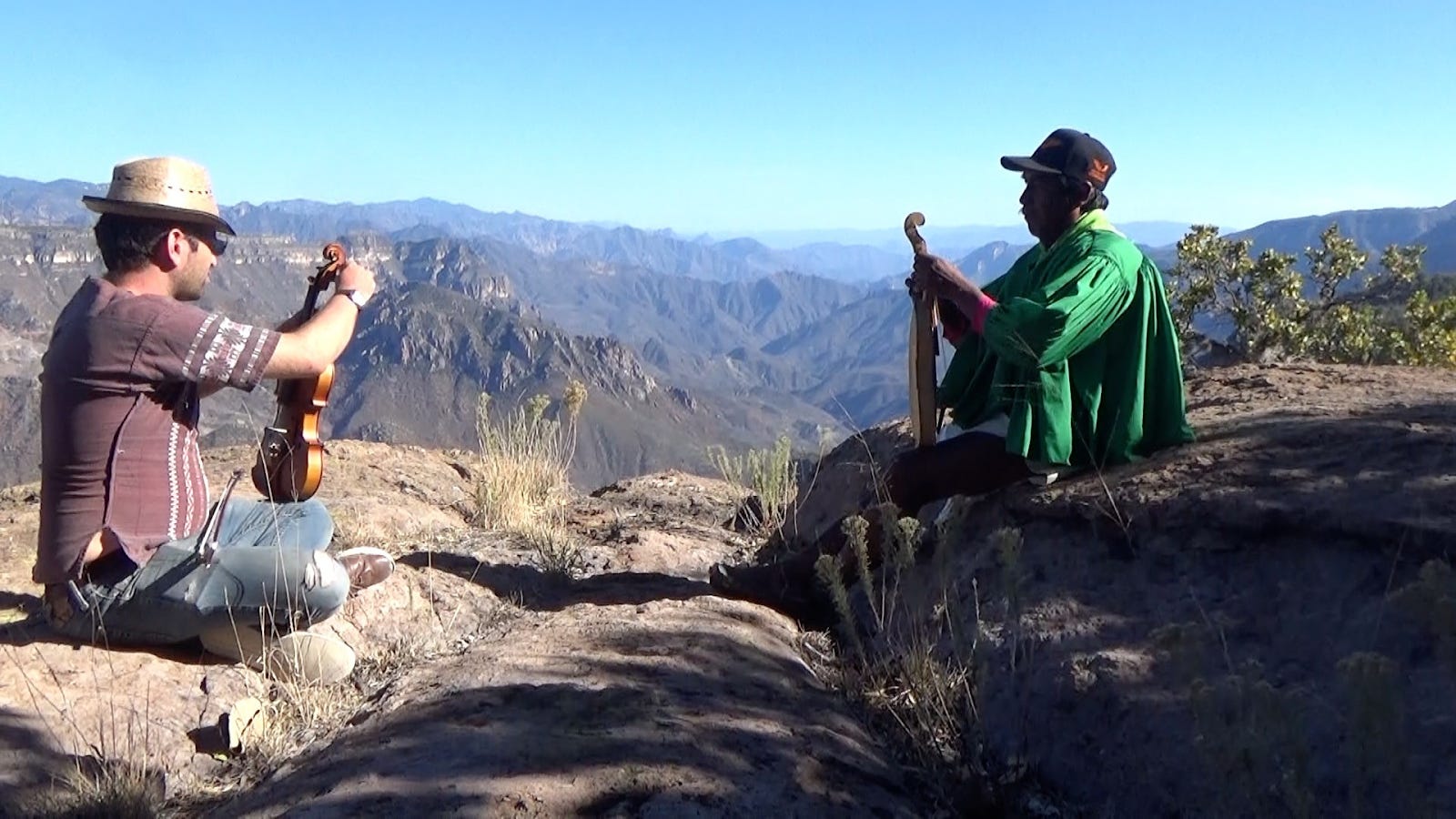
So Cultures in Harmony now travels there to donate violins, bows, cases, rosin, and strings. The town of Chinivo is almost impossible to access: no car or truck can travel there. I had learned that they had gone without a violin or guitar for several years, so in the summer of 2024, we hiked there to donate one.
I returned to the Sierra Tarahumara for the eighth time in December 2025. As Porfirio and I watched each other play around the rarajipare, I thought about how the violin gives the lie to the notion that borders can possibly contain or control the human experience. The violin as we know it emerged in Italy some 500 years ago, but it was the descendant of instruments brought westward during the Mongol conquests and the Crusades. As I used to tell audiences in Afghanistan, playing violin there felt like bringing the violin home, for its ancestors emerged in Central Asia centuries ago.
And how diverse is the experience of the violin! In Myanmar, a proud, elderly man named U Tin Yee, wearing the long skirt that men in his country traditionally wear, presented me with a recording of his violin music. I have coached young violinists in Zimbabwe, Qatar, and the Philippines, and they all need a reminder to hold the bow at the frog. Even the experience of Mexican violinists seem impossibly diverse. On one side of the Sea of Cortez, my friend Porfirio playing traditional folk songs on his violin by the side of a dusty path as runners pass, kicking a ball in front of them, keeping it in motion as the ancient rules of the Rarajipare dictate. On the other side of that sea, in Los Cabos, the beautiful, slender young violinist Lo Mares dons impossibly elegant dresses to play arrangements of pop tunes at conferences of wealthy Americans sipping fine wines as they enjoy a spectacular view of the ocean. How different the experiences…yet both instruments use the same strings.
Once after a performance of mine in Karachi, an elderly gentleman told me, “Fine performance, but what possessed you to learn a South Asian instrument?” Perhaps he was joking, but given the cultural dominance of musicians such as Dr. Subramaniam in his part of the world, perhaps he was genuinely unaware that the violin arrived to South Asia with the British and was only gradually adapted for use in South Asian classical music.
“As Pakistani as a violin” could become an expression, never mind that the violin is really Italian (but if you go back further in time, it isn’t even Italian). In Mexico City at a rather pretentious dinner, a woman once scolded me for commenting that I enjoyed cruffins (invented in Australia in 2013 as a cross between croissants and muffins), saying that I shouldn’t bastardize French culture. Later on Google, I learned that contrary to her opinion, the croissant is not French: it is Austrian, introduced to the French around 1838 by the Austrian soldier and baker August Zang. Similarly, the tomato is American, not Italian.
As Pakistani as a violin…as French as a croissant…as Italian as a tomato…as Canadian as Hawaiian pizza (invented by Greek immigrant Sam Panopoulos)…as American as Greek yogurt (made popular in my country by the Kurdish immigrant Hamdi Ulukaya, CEO of Chobani, where he makes a point of employing immigrants). We could go on.
I believe and hope that borders as a harsh tool of control, a means of restricting freedom, must fail. In my ideal future, people from anywhere on earth should be able to live and work wherever they choose. Those who oppose immigration frequently fret about immigrants bringing increased crime. I have good news for them: murder, theft, and rape are already crimes. A white American killed by a white American whose ancestors came over on the Mayflower is just as dead as if he had been killed by an undocumented immigrant from Honduras…and immigrants actually commit crimes at a rate proportionally lower than that of the general population. For those who worry about immigrants holding different values, I have more good news: a country can legislate its values into law. If you don’t like music or pork, don’t move to Germany.
A border should be no more than a useful construct to define the geographic space within which a particular culture flourishes and in which its modern form emerged. This is roughly the way the European Union functions today: the borders of Italy define the place where Italian is spoken, pizza is king, and opera is still cherished, but Italians can cross those borders to live, work, and study elsewhere in the EU. In the USA, despite Trump’s bluster about a need to secure our southern border, at most he can aspire to control the movement of people: in the southern USA, people still speak Spanish and organize big celebrations (quinceañeras) when their daughters turn 15. In the future, I would like to see the free movement of people across the US-Mexican border, with the line on a map between the USA and Mexico serving only to say, “On the southern side, we originally celebrated Día de Muertos every November 1, and on the northern side, we originally celebrated Halloween on October 31…but now, we honor both holidays on both sides.”
It is ironic that in my ideal world, the one purpose a border would still serve—as a quaint, nostalgic reminder of shared values, language, food, and artistic expression—is the purpose at which it would fail, spectacularly. You see, cultural expression is far stronger than political borders and the ideas they strive to contain, no matter the quality of those ideas, good or bad. For now, the political border of Afghanistan strives to contain noxious, un-Afghan ideas about the supposedly sinful nature of music and women’s employment and education, just as the political border of the original “nation of immigrants,” the USA, strives mightily to contain hateful anti-immigration ideas.
Humans everywhere must unite in our understanding of a common humanity that soars above such borders, which are relics of a sadder, more violent, more combative era in the vast timeline of human history. No matter what Trump says, immigrants must continue to come to the USA and become billionaires by employing refugees to make yogurt. No matter what the Taliban says today, the strings of the rubab will again sound in the Queen’s Palace of Kabul’s Babur Gardens.
Born in Flint, USA, in 1982, the author—currently concertmaster of Mexico’s National Symphony Orchestra and the founder of the cultural diplomacy NGO Cultures in Harmony—is Professor Emeritus of the Afghanistan National Institute of Music, now based in Portugal.
Powerful piece on how culture defies political boundaries. The shift of ANIM from Kabul to Portugal really ilustrates the paradox where geography becomes irrelevant but the cultural trauma remains. I experienced something similar working with diaspora communities where physcial relocation happened but the psychological 'home' never moved. That line about borders serving only as 'quaint, nostalgic reminders' in an ideal world is spot on.